The Quiet Power of British Pulses: Fava Beans, Carlin Peas and Marrowfats for Cold-Weather Cooking
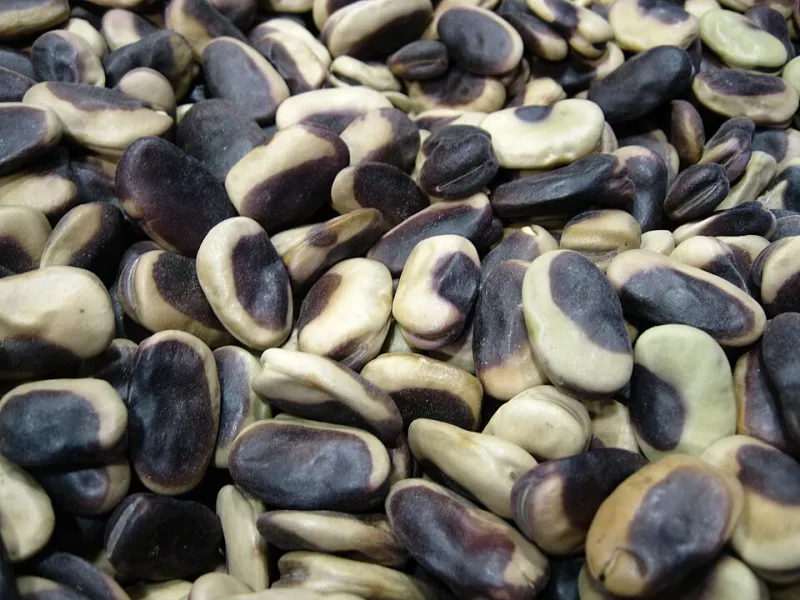
Photo: Rodrigo.Argenton, CC BY-SA 3.0, via Wikimedia Commons
Winter cooking has a pulse. Not the trendy kind, but the dried kind — the bags of fava beans, carlin peas and marrowfat peas that sit quietly on wholefood shelves while everyone else reaches for the chickpeas. These are British-grown, cheap, filling and made for the sort of weather that makes you want to put a pan on the hob and forget about it. Here is why they deserve a place in your kitchen this winter, and how to cook them without any faff.
Why British pulses deserve a second look
The UK grows more pulses than many of us realise. Fava beans, also called field beans or broad beans, are a classic. Carlin peas — the little dark peas traditionally eaten in Lancashire on Carling Sunday — are having a quiet revival. Marrowfat peas, the big green ones behind mushy peas, are another British staple. They are all high in protein and fibre, and they take on flavour beautifully. They are also a lot more interesting than another tin of lentils.
Meet the trio
Fava beans are meaty and slightly nutty. Dried, they are firm and creamy, and they make a brilliant base for stews, dips and salads. They need a long soak and a bit of patience, but the payoff is a texture that tinned beans cannot match.
Carlin peas are earthy, nutty and a bit chewy. They hold their shape well, which makes them ideal for stews and traybakes. In the north of England they are traditionally cooked with a little butter or vegan spread and plenty of pepper, but they are just as good in a spiced tomato sauce.
Marrowfat peas are the big, floury ones. They break down into a lovely mush, which is exactly what you want for mushy peas, soups and a winter mash. They are also brilliant in a shepherd’s pie-style bake.
Where to buy UK-grown pulses
Hodmedod’s is the obvious starting point — it sells British-grown fava beans, carlin peas and marrowfat peas online and through independent shops. Wholefood co-ops, farmers’ markets and some delis stock them too. In supermarkets, check the world foods aisle for dried fava beans and marrowfat peas; carlin peas are more of a specialist find, but they are worth seeking out. Buy in bulk if you can. Dried pulses keep for ages in a cool, dark cupboard.
Soaking and cooking: the no-fuss guide
Soak overnight. Cover the pulses with plenty of cold water and leave them for 8 to 12 hours. Fava beans are the thirstiest; they can take up to 12 hours. Carlin peas and marrowfats are happy with 8.
Drain and rinse. Chuck the soaking water away. This helps with digestion and makes for a cleaner flavour.
Boil hard for 10 minutes. Cover with fresh water, bring to a rolling boil and boil for 10 minutes. This is especially important for fava beans.
Simmer until tender. Fava beans take 45 to 60 minutes, carlin peas 45 to 60 minutes, and marrowfat peas 30 to 40 minutes. Skim any foam, and top up with hot water if needed. Salt at the end, not the start, so the skins stay tender.
Taste as you go. The difference between done and mush is a few minutes. Fava beans should be creamy but hold their shape; carlin peas should be tender with a little bite; marrowfats should squash easily.
Three simple winter recipes
1. Carlin pea and root vegetable stew
Soak and cook 200g carlin peas. In a big pan, soften an onion, two carrots and a parsnip in olive oil. Add a teaspoon of smoked paprika, a tin of chopped tomatoes and 500ml vegetable stock. Tip in the cooked peas and simmer for 20 minutes. Finish with chopped parsley and a squeeze of lemon. Serve with crusty bread.
2. Fava bean smash on toast
Cook 250g fava beans until tender. Drain, then mash with a fork along with a tablespoon of olive oil, a clove of grated garlic, lemon zest and a pinch of chilli flakes. Season well. Pile onto toasted sourdough and top with rocket or watercress. A poached egg works if you are not vegan; otherwise, a drizzle of tahini is lovely.
3. Marrowfat pea and leek mash
Cook 200g marrowfat peas until soft. Meanwhile, sauté two sliced leeks in vegan butter until sweet. Mash the peas with a little plant milk, stir through the leeks and season with black pepper and a grating of nutmeg. Spoon under a layer of mashed potato and bake for 20 minutes for a comforting winter pie.
A note on tins versus dried
Tinned pulses are a lifesaver on busy days, and you can absolutely use them here. A 400g tin is roughly 250g drained, which is close enough for most recipes. Dried pulses are cheaper and give a better texture, but they are not a competition — use what works for you. If you are new to carlin peas, start with a small bag and see how you get on.
The final word
British pulses are not glamorous. They do not have a marketing budget. But they are exactly what winter cooking needs: hearty, affordable and quietly brilliant. Buy a bag, soak it overnight, and let the hob do the work. Your Christmas leftovers will thank you.