The Cuppa Ceiling: Which Plant Milks Actually Survive a British Brew?
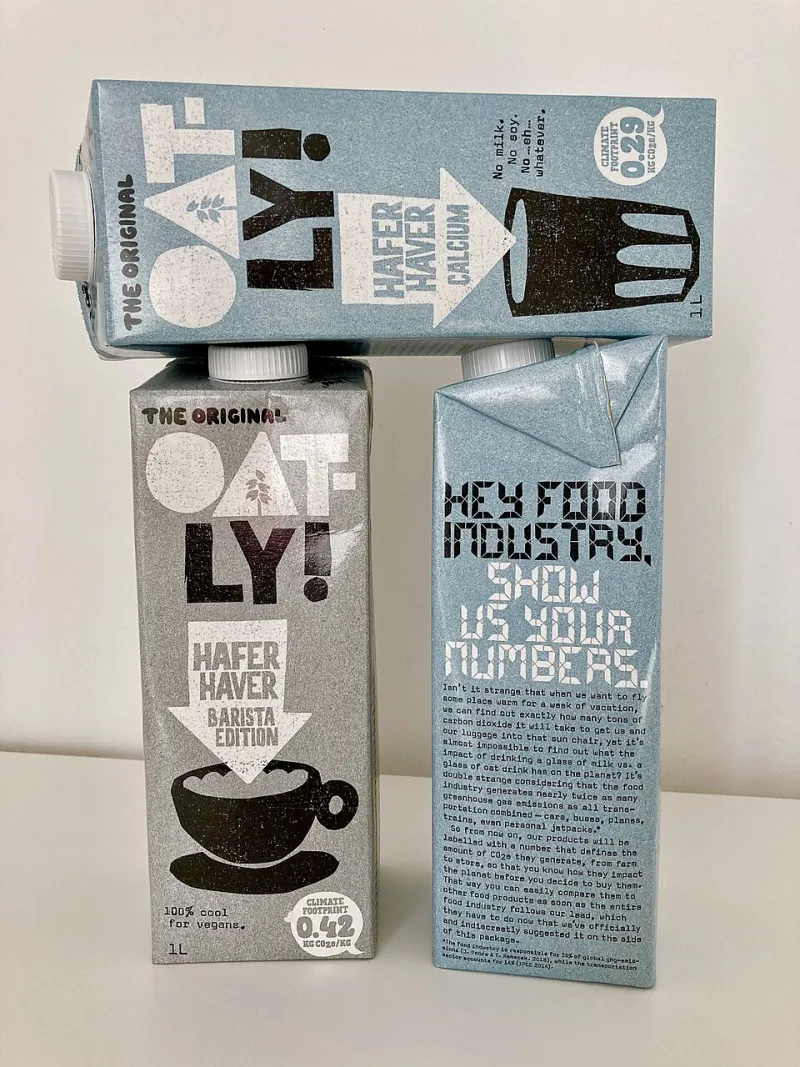
Photo: Tischbeinahe, CC BY-SA 4.0, via Wikimedia Commons
There is a particular kind of British optimism that says: of course plant milk works in tea. And there is a particular kind of British disappointment that follows when you watch a greyish Film appear on top of your brew. Plant milks have improved enormously, but tea is still the toughest test in the kitchen. Coffee is forgiving. Tea is a thin, hot, faintly acidic liquid, and it notices everything.
So we did what any sensible VegFolk team would do on a damp November afternoon: we put on the kettle, covered the cartons in masking tape, and tasted our way through twelve plant milks in a blind tea trial. Six were supermarket own-brand cartons. Six were leading barista-style milks. Same tea, same mugs, same slightly obsessive note-taking. We were looking for curdling, scum, sweetness, body, and the one thing that matters most: whether the brew still tasted like tea.
The rules of the brew
We used a strong breakfast blend, brewed for four minutes, then cooled for two before adding 30ml of milk to 250ml of tea. Every milk was tasted in a plain white mug, coded, and judged without knowing the brand. We scored for appearance, curdling, scum, sweetness, texture, and tea compatibility. We also tried each one in an Earl Grey, because bergamot is where plant milks often meet their maker.
This was not a lab test. It was a kitchen test, with a packet of digestives and a fair amount of opinion. But it was consistent, and it was blind, which is more than can be said for most arguments about tea online.
Oat: the dependable friend
Barista oat milk was the clear all-rounder. It brought a soft, creamy body without shouting over the tea, and it left only a modest film on top. The best versions tasted faintly oaty in a pleasant way, like the milk had walked through a granary loaf on its way to the mug. Supermarket own-brand oat milk was more variable: some were watery, some were noticeably sweet, and a couple separated into a sad little slick around the edges.
For a builders brew, barista oat is the safest bet. It has enough fat and stabiliser to cope with hot tea, and it does not bring a strong flavour of its own. If you are using a standard own-brand oat milk, warm it slightly and add it slowly. Do not dump a cold slug into boiling tea and expect miracles.
Soy: body and a bit of backbone
Soy milk gave the fullest body of the lot. Unsweetened barista soy was impressive in a strong breakfast tea: rich, slightly savoury, and steady. Sweetened own-brand soy was more divisive. It could taste a bit beany, and in Earl Grey it occasionally curdled into tiny specks that looked like suspended pepper.
That curdling is the classic soy-and-acid problem. Earl Grey, fruity black teas, and anything with lemon are more likely to push soy over the edge. In a robust builder's tea, though, soy is a solid choice, especially if you want something that feels like it has done a day's work.
Pea: the quiet overachiever
Pea milk was the surprise of the tasting. Barista pea milk had a thick, almost dairy-like texture and stayed stable in both breakfast tea and Earl Grey. The flavour was the sticking point: some tasters picked up a grassy, earthy note that sat oddly with bergamot. In a strong tea with a decent splash, it was less noticeable. In a delicate cup, it was the loudest thing in the room.
If you want protein and a creamy mouthfeel, pea is worth a go. If you want the tea to be the star, use it sparingly. It is not a neutral milk, but it is a capable one.
Almond: thin, pretty, fragile
Almond milk looked lovely going in and then caused trouble. Own-brand almond milk was the most likely to split, leaving a grainy edge and a thin, watery body. Barista almond held up better, but the almond flavour was still distinct, and in Earl Grey it clashed rather than complemented. It was not awful, but it was not a tea milk. It was a smoothie milk that had wandered into the wrong room.
If you have almond milk to use up, keep it for coffee, porridge, or a cold brew. Hot British tea is not its happy place.
Coconut: lovely in a curry, unwanted in a cuppa
Coconut milk was the easiest to spot blind. Even the barista versions brought a clear coconut flavour and an oily film that clung to the surface. In a chai or a masala tea, that would be a feature. In a plain breakfast tea, it was a takeover bid. Nobody finished their mug.
Coconut is not a failure of a milk. It is simply not a neutral tea milk. Use it where coconut belongs: curries, smoothies, rice, and anything that wants a tropical accent.
The kitchen know-how
Plant milks curdle when heat, acid, and protein collide. You cannot always prevent it, but you can stack the odds in your favour. First, do not use boiling water. Let the tea cool for a minute or two before adding milk. Second, add the milk slowly and stir gently. Third, warm the milk if you can: a cold splash into hot tea is a shock to the system. Fourth, choose a barista-style milk for hot drinks. The added oils and stabilisers are there for a reason.
On pouring order, there are two schools. The traditional milk-in-first approach can help temper the tea as it hits the milk, but it works best with room-temperature or warmed milk. The tea-first approach is more common, and it is fine if you pour the milk in a thin stream while stirring. Never glug. Glugging is how scum happens.
For a builders brew, go barista oat. For a delicate Earl Grey, use a tiny splash of barista oat or drink it black. For a strong tea where you want body, barista soy or pea will do the job. For almond and coconut, save them for something else.
The best plant milk for tea is not the one that tastes most like dairy. It is the one that lets the tea taste like tea. On that measure, oat won the day, soy came second, and coconut was kindly shown the door.