Tin There, Done That: A Plant-Based Fat Test for Proper British Roast Potatoes
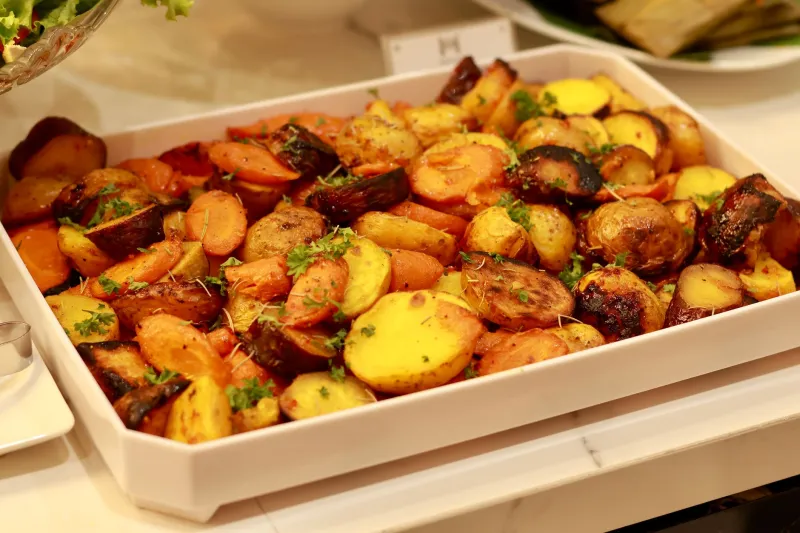
Roast potatoes are the great British peacemaker. They turn up beside nut roast, mushroom Wellington or a plain old sausage-and-gravy situation and make the table feel complete. But ask a plant-based cook which fat to use and the conversation gets lively. Olive oil? Rapeseed? Coconut oil? A tub of vegan butter? Everyone has a theory, usually inherited from a grandmother who kept a tin of goose fat by the hob.
We wanted a straight answer, so we spent a few Sundays running a home-kitchen trial. No lab coats, no industrial fryers — just a domestic oven, a sack of Maris Piper and a line-up of plant-based fats. The goal was simple: find the fats that give proper crunch, decent colour, good flavour and, crucially, reliable results when you are also boiling sprouts and trying to remember where you put the gravy jug.
How the test worked
Each batch used the same method: peeled potatoes cut into generous chunks, parboiled in salted water, drained, steamed dry, shaken until the edges looked a bit battered, then roasted in a preheated tin at 200°C fan. We judged the potatoes at 25 minutes and again at 45 minutes. Crispness was the main event, but we also noted colour, flavour and whether the fat smoked, burned or clung to the tin like a bad mood.
The contenders were olive oil, rapeseed oil, sunflower oil, coconut oil, vegan butter and a supermarket vegetable shortening. We also tried a 50/50 mix of rapeseed oil and vegan butter, because that is the sort of thing a British cook does when they want flavour and a fighting chance of crunch.
The contenders, honestly
Rapeseed oil was the quiet overachiever. It heated evenly, gave a deep golden shell and let the potato flavour come through. It is also widely grown in the UK, relatively affordable and easy to find in every supermarket. If you want one bottle to keep by the oven for roast potatoes, Yorkshire puddings and traybakes, this is it.
Sunflower oil performed in a similar way and is often cheaper. It is a solid budget pick, though it brings less character. Olive oil gave a lovely savoury note, especially with rosemary, but it can get bitter or smoky at high heat. Use it if you are roasting at a slightly gentler temperature or mixing it with rapeseed. Coconut oil produced a noticeably crisp shell, but the sweetness felt a bit odd with gravy. It is brilliant if you are leaning into a curry-spiced potato, less so beside a nut roast.
Vegan butter was the crowd-pleaser on flavour and the tricky one on reliability. It browns quickly, which is lovely, but it can burn before the potatoes are cooked through. The fix is to cut it with rapeseed oil or clarify it gently first. Vegetable shortening gave a crisp exterior, but the texture was a little waxy and the flavour was forgettable.
The verdict
Best overall: rapeseed oil. It is the most reliable everyday fat for crisp, golden roast potatoes, and it does not cost the earth. Best budget option: sunflower oil or an own-brand rapeseed oil. Best for flavour: olive oil, ideally mixed with rapeseed so it can take the heat. Best for a special occasion: vegan butter mixed with rapeseed oil, which gives you buttery notes and a proper crust without the burnt edges.
If you only remember one thing, remember this: the fat matters, but the method matters more. A hot tin, dry potatoes and a bit of roughing up will do more for crunch than an expensive oil ever will.
The Sunday-roast method
- Heat the oven to 200°C fan or 220°C conventional. Put a sturdy roasting tin in to heat with 2 tbsp of your chosen fat. It should be shimmering hot when the potatoes go in.
- Peel and cut about 1kg of Maris Piper or King Edward potatoes into chunks roughly the size of a golf ball. Keep them similar so they cook at the same rate.
- Put them in a pan of cold salted water. Bring to the boil and simmer for 8 to 10 minutes, until the outside is soft but the middle still has a little resistance. A half teaspoon of bicarbonate of soda in the water helps the edges soften and rough up, but do not overdo it or they will taste soapy.
- Drain well. Leave in the colander for a minute or two to steam dry. Then shake them about in the dry pan until the edges are fluffed and slightly crushed. This is where the crunch begins.
- Carefully tip the potatoes into the hot fat. Turn them so every side gets a coat. Season with salt and pepper now, not later, so the seasoning sticks.
- Roast for 25 minutes. Turn them with a spatula, then roast for another 20 to 25 minutes, until deep golden and crisp. If your oven runs hot, check at 20 minutes. If the fat looks dry, add a little more oil around the edges, not on top.
- Serve straight away. Roast potatoes wait for no one.
Tips for proper British crunch
Do not crowd the tin. If the potatoes are touching, they steam instead of crisp. Use two tins if you need to. A metal roasting tin beats a flimsy tray because it holds heat and gives the potatoes a proper blast. Make sure the potatoes are dry before they meet the fat; water is the enemy of crispness. And resist the urge to open the oven every five minutes. Let them do their thing.
A dusting of semolina or fine polenta after parboiling is a lovely extra trick. It gives the surface a little more texture and helps the fat cling. Add herbs or garlic in the last ten minutes, not at the start, so they do not burn.
The bottom line
You do not need animal fat for a brilliant roast potato. Rapeseed oil is the dependable all-rounder, olive oil brings the flavour, and vegan butter is a treat when handled with care. But the real winner is the tin that gets hot, the potatoes that get roughed up and the cook who remembers to turn them. That is the sort of plant-based kitchen confidence we are here for at VegFolk.