Beyond the Bird: Ten Vegan Stuffings That Hold Their Own at the British Roast
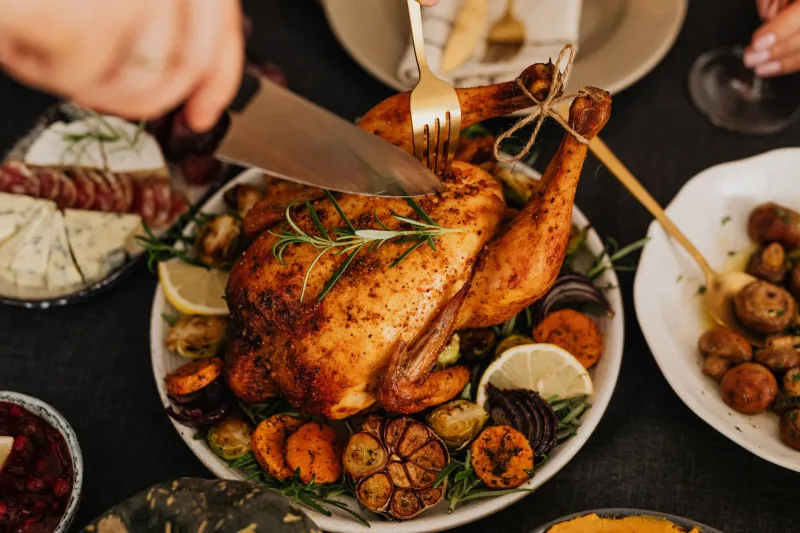
Stuffing gets treated like the understudy of the British roast. It turns up, does a decent job, then watches the carrots and the gravy get all the compliments. That feels unfair. On a vegan Christmas table in 2026, stuffing is often the difference between a plate that feels thoughtful and a plate that feels like a collection of vegetables wondering why they are there.
Good stuffing brings three things no roast can fake: savoury depth, a bit of crunch or chew, and that lovely sense of abundance. It also happens to be one of the easiest things to make ahead, freeze and reheat when the kitchen is already doing twelve things at once. So here is a practical, slightly opinionated run through ten vegan stuffings that earn their place beside the roast — plus the small details that stop them going dry, stodgy or forgettable.
The rules of a stuffing that behaves
Before the list, a few ground rules. Vegan stuffing fails for the same reasons meaty stuffing fails: not enough fat, not enough moisture, or too much mush. You want bread that has dried out a little — stale sourdough, ciabatta or a sturdy wholemeal loaf is ideal. Fresh bread turns gluey. You want fat that carries flavour: olive oil, vegan butter, a little mushroom or walnut oil if you are feeling fancy. You want a binder, but not a brick. Flax egg, chickpea flour slurry or a spoon of aquafaba can all help, but a well-made stuffing should mostly hold together through good packing and a little resting time.
Seasoning matters more than people think. Sage, thyme, rosemary, black pepper, celery salt, nutritional yeast, miso, soy sauce, smoked paprika — these are your friends. Taste the mix before it goes in the oven. If it tastes flat raw, it will taste flat cooked.
Ten vegan stuffings worth the oven space
1. Classic sage and onion, done properly
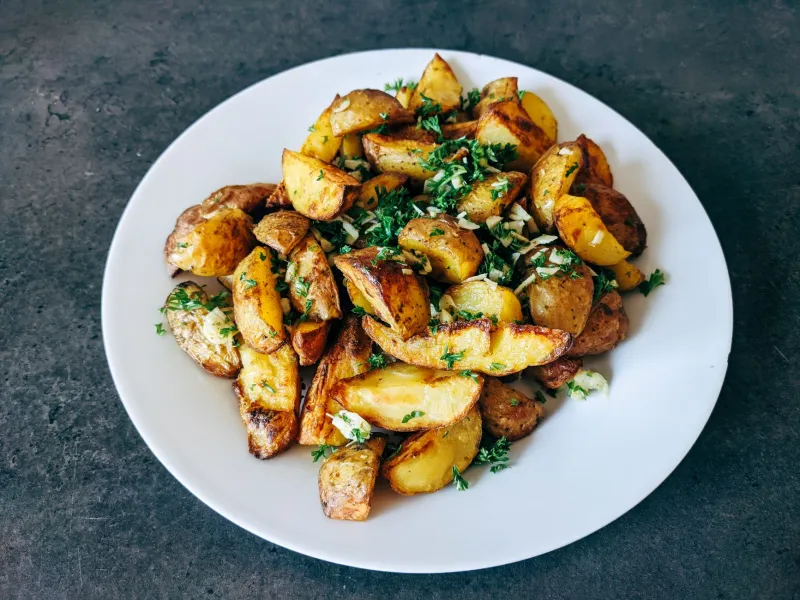
This is the benchmark. Soften onions slowly in vegan butter until sweet, add plenty of sage, then fold through dried bread cubes with vegetable stock and a splash of plant milk. The key is not to drown it. It should be damp, not wet. Press it into a tin, dot with a little extra vegan butter and bake until the top is crisp and the middle is tender. Simple, familiar and always the first thing to disappear.
2. Chestnut and mushroom
Chestnuts bring a lovely crumbly sweetness that works beautifully with mushrooms. Use a mix of chestnut and button mushrooms, cook them down until their water has gone, then add cooked chestnuts, thyme and a little madeira or apple juice. This one has a rich, almost meaty depth without pretending to be meat. It freezes well, though add a splash of stock when reheating.
3. Apricot, pistachio and lemon
This is the stuffing for people who want a bit of brightness on the plate. Dried apricots, chopped pistachios, lemon zest and a little parsley lift the whole roast. Use a lighter bread — ciabatta works well — and go easy on the stock so the fruit does not turn the lot into pudding. It is excellent with a nut roast or a mushroom Wellington.
4. Sausage-style sage and apple
A vegan sausage meat style stuffing is all about texture. Crumble good vegan sausages or use a cooked lentil and oat mix with plenty of sage, grated apple and black pepper. The apple keeps it moist; the lentils give it that savoury, slightly coarse bite. Shape it into balls or press it into a loaf tin. Either way, give it a hot oven so the edges catch.
5. Leek, hazelnut and thyme
Leeks are underrated in stuffing. Cook them gently until soft and sweet, then mix with toasted hazelnuts, thyme and sourdough breadcrumbs. The nuts give crunch and the leeks give a lovely mellow onion flavour. This one is particularly good with a squash or celeriac centrepiece.
6. Cranberry and orange rye
Rye bread brings a deep, slightly sour note that plays nicely with tart cranberries and orange zest. This is a stuffing for the Christmas table, not a Sunday lunch. Keep the cranberries fairly sharp — dried ones work, but fresh ones chopped small give better pops of flavour. A little rosemary stops it tipping into dessert territory.
7. Mushroom and tarragon wild rice
Not a bread stuffing, but a very good one. Cooked wild rice, sautéed mushrooms, tarragon, lemon and a handful of toasted seeds make a lovely loose, savoury mix. It is gluten-free, freezes well and feels a bit more special than the usual breadcrumb situation. Pack it loosely so it does not turn into a dense slab.
8. Root vegetable and sage
Grated parsnip, carrot and celeriac mixed with breadcrumbs, sage and a little mustard make a sweet, earthy stuffing that suits a plain roast beautifully. Squeeze out any excess moisture from the veg first, otherwise you will end up with a soggy middle. A little nutritional yeast adds a savoury edge.
9. Black pudding style with oats and beetroot
This is the one for anyone who misses the peppery, savoury hit of black pudding. Cooked beetroot, oats, sage, black pepper and a little smoked paprika create a deep, ruby-coloured stuffing with a lovely coarse texture. It is not trying to be a replica — it is just very good in its own right. Serve it with a sharp apple sauce.
10. Herby bread and butter pudding stuffing
Yes, it is a bit of a hybrid, but it works. Layer slightly stale bread with vegan butter, thyme, parsley and a little mustard, then pour over a savoury plant milk custard and bake until golden. It is softer than a traditional stuffing, more like a savoury bake, and it is brilliant with gravy. Use it as the comforting, squidgy option on the table.
Make-ahead notes that save the day
Most stuffings can be mixed a day ahead and kept covered in the fridge. If you are baking it in a tin, assemble it, cover it and refrigerate. Add ten minutes to the cooking time if it goes in cold. If you are shaping balls, roll them, chill them and bake from cold.
Freezing is your friend. Cooked stuffing freezes well for up to three months. Wrap it tightly or freeze in portions. Reheat covered with foil at 180°C until piping hot, then uncover for the last ten minutes to crisp the top. If it looks dry, add a splash of stock or plant milk before it goes back in.
One last thing: do not pack stuffing too tightly. You want air and texture, not a brick. A loose pack, a hot oven and a little patience will give you the crisp edges and tender middle that make people go back for seconds. And at a British roast in 2026, that is exactly what stuffing should do.